
'/%3E%3C/svg%3E)


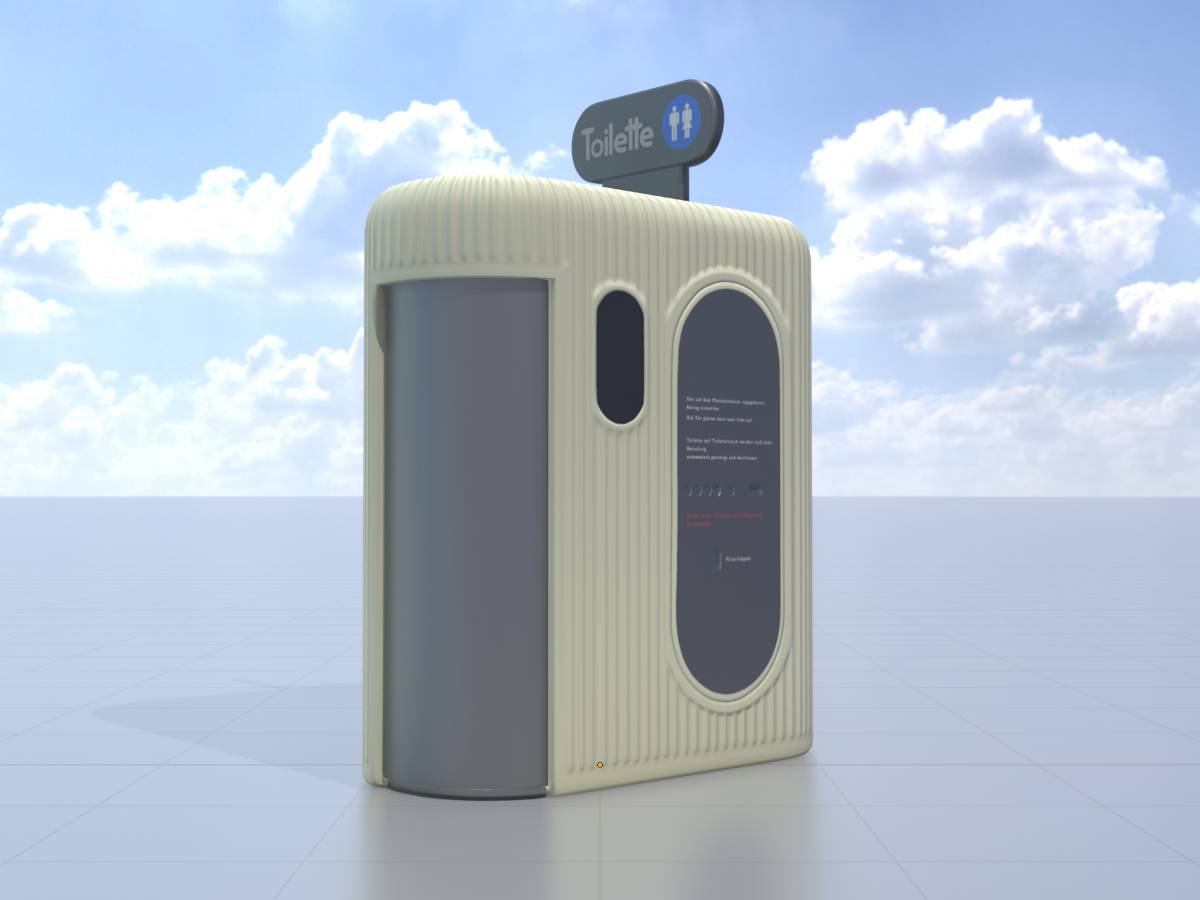
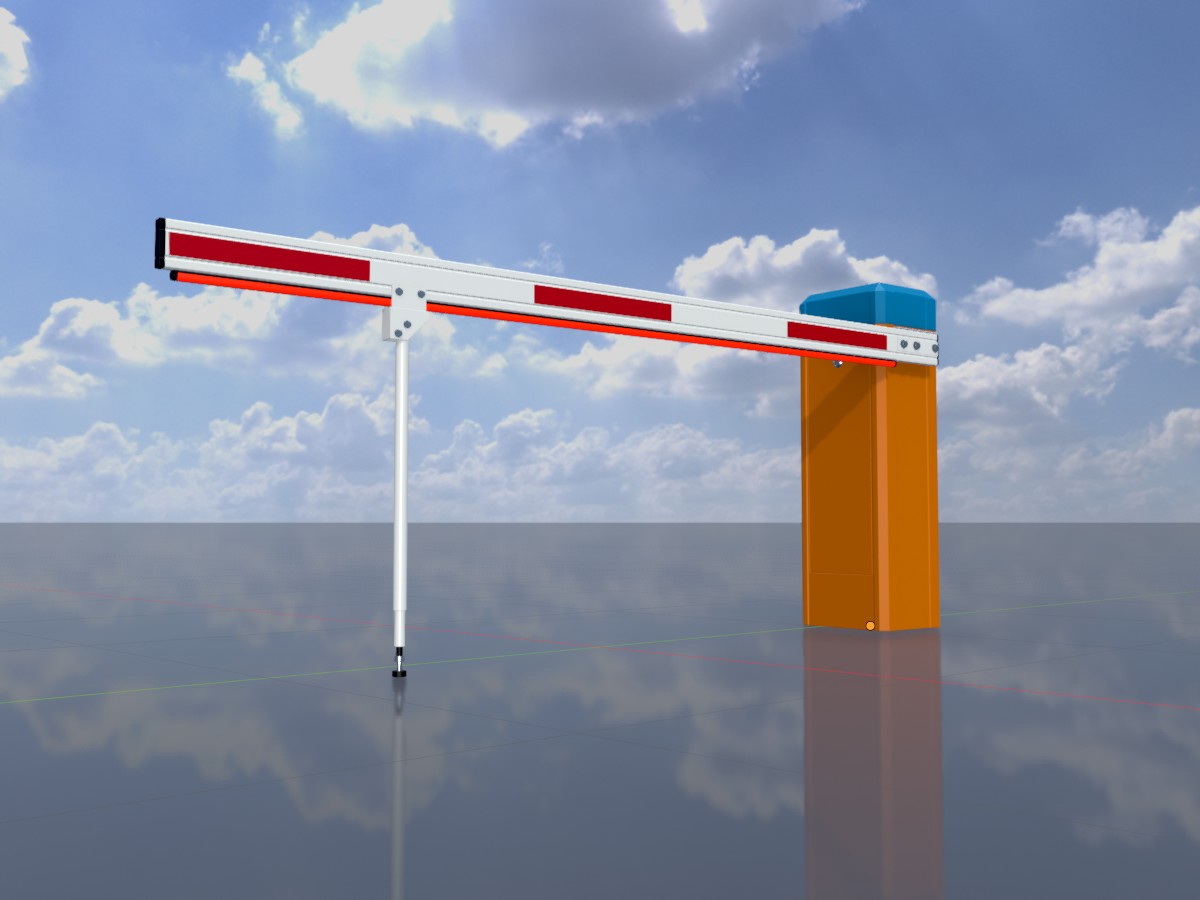
Urban design shapes how cities are experienced and used. Public spaces serve as places for staying, orientation and social interaction. Alongside buildings, traffic areas and green spaces, street furniture plays a key role in making these spaces functional and human-centered. In digital urban planning, street furniture has become increasingly important, particularly in 3D visualisations, as it helps translate abstract concepts into comprehensible and realistic representations.
3D models make it possible to integrate street furniture early in the planning process. This allows a coherent overall impression to emerge already at the design stage, conveying proportions, use and atmosphere of a place. Squares, pathways and gathering areas can thus be represented not only with technical accuracy but also with a clear focus on user needs.
Street Furniture as Part of Realistic 3D Representations
Digital planning aims to present spaces in a clear and realistic way. Unfurnished areas often appear abstract and uninviting in visualisations. Street furniture creates spatial structure, makes functional zones visible and supports the assessment of distances and proportions even in early design phases.
Added Value of 3D Street Furniture in Planning
The main advantage of 3D models lies in their spatial clarity. While two-dimensional plans often require interpretation, three-dimensional representations convey an immediate sense of space. Clients, authorities and project stakeholders can grasp designs more quickly and evaluate them more confidently.
In addition, design variants can be compared easily. Different concepts can be tested without having to rebuild the entire model. This increases planning reliability and reduces coordination effort in later project stages. For presentations and design competitions, detailed street furniture models also provide a clear qualitative advantage.
Use in Visualisation and Presentation
In architectural and urban visualisations, street furniture serves as an important reference element. It conveys scale, adds life to scenes and supports a realistic overall impression without drawing attention away from the design itself. Especially when communicating with non-specialist audiences, such visualisations improve understanding of planned measures and strengthen acceptance, as the spatial impact can be intuitively understood.
3D Street Furniture for Professional Applications
High-quality 3D models are characterised by clean geometry, realistic proportions and flexible usability. They can be easily integrated into common CAD, BIM and visualisation software and adapted to different scenarios. This makes them suitable for both conceptual designs and detailed presentations.
In larger projects in particular, it is advisable to rely on a consistent selection of street furniture. Uniform models contribute to a calm overall appearance and support a clear design language in the urban environment.
Street Furniture on 3d-models.shop
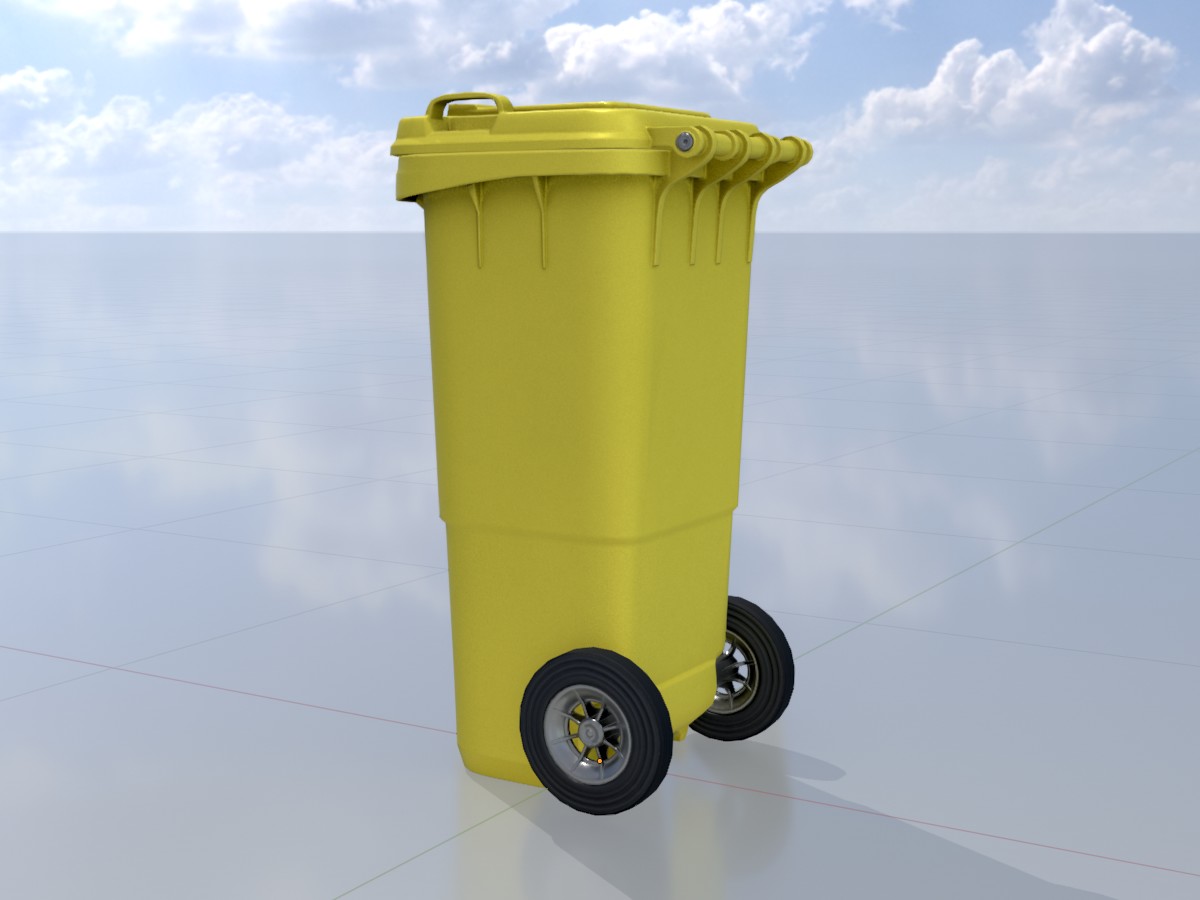
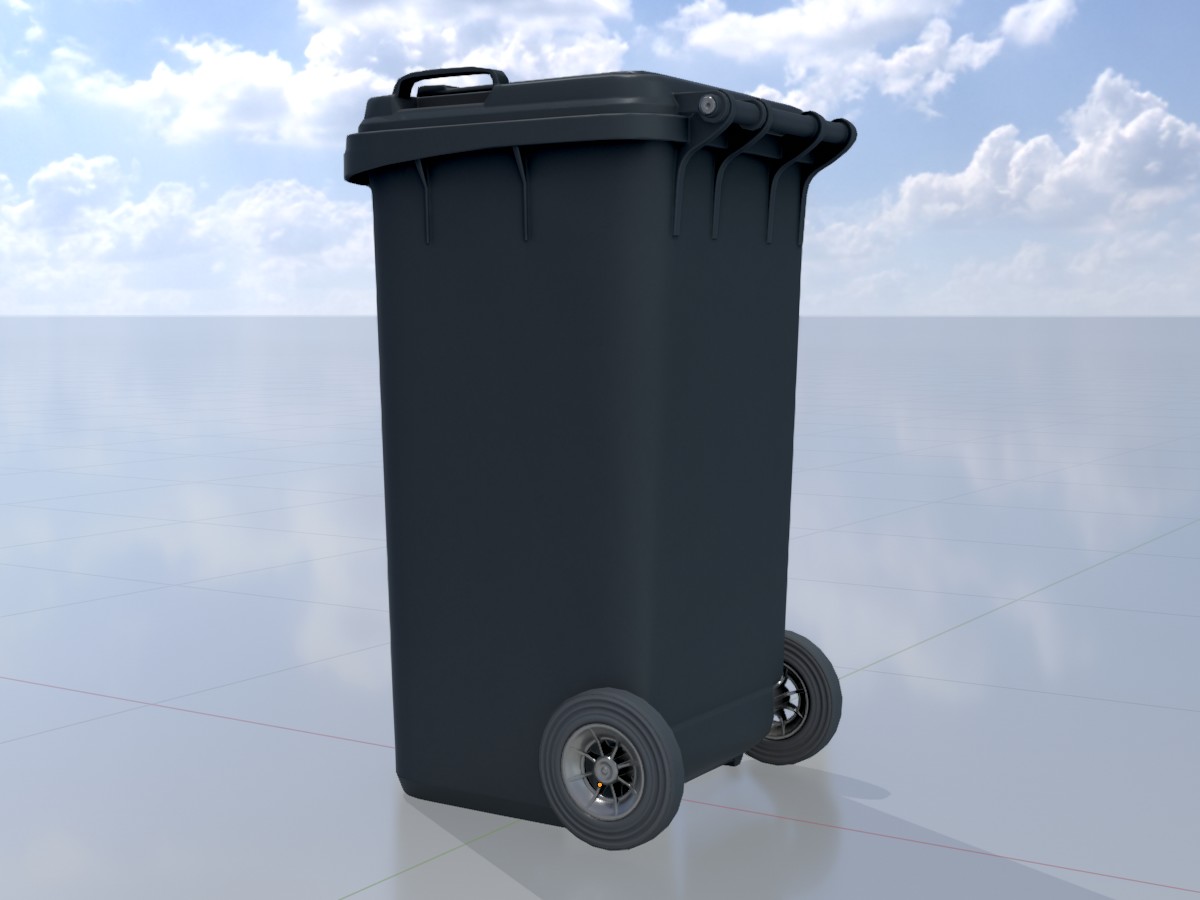
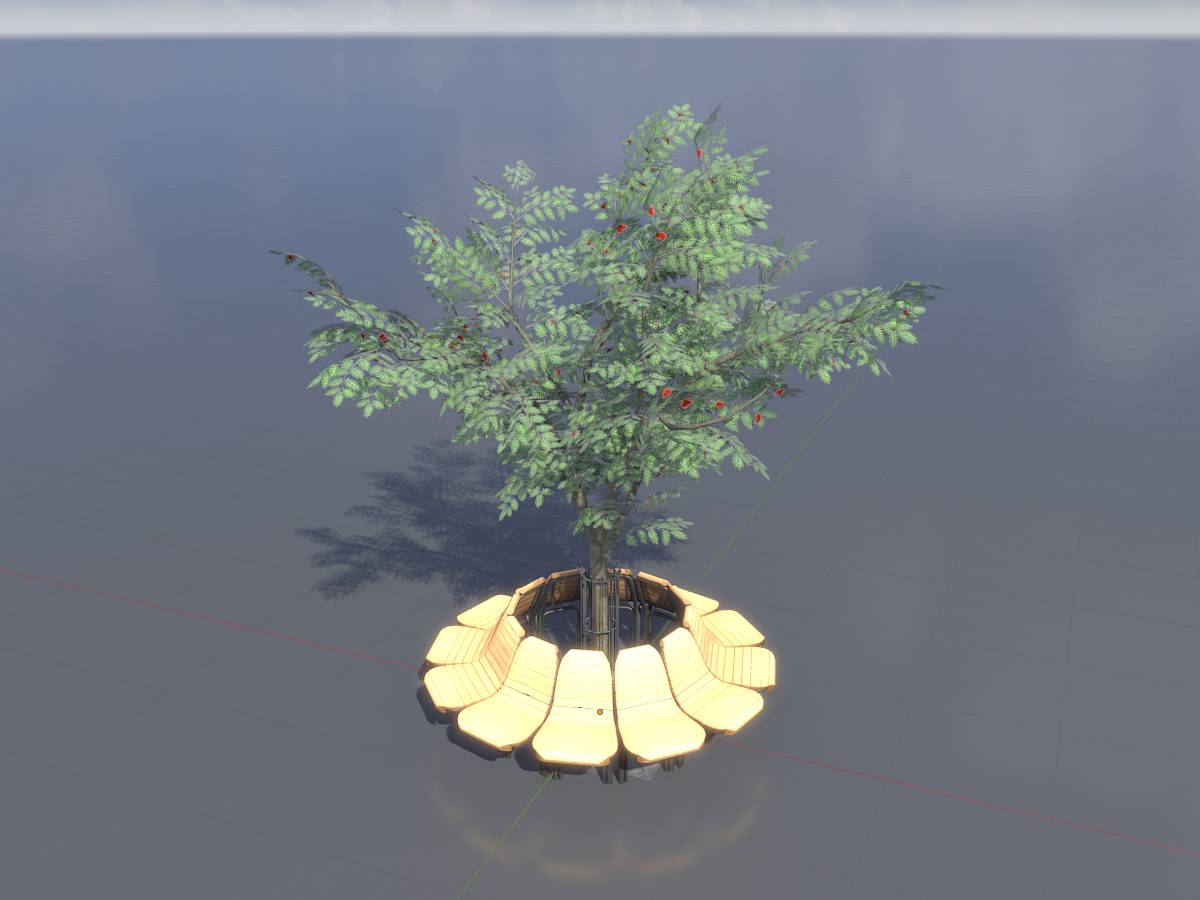
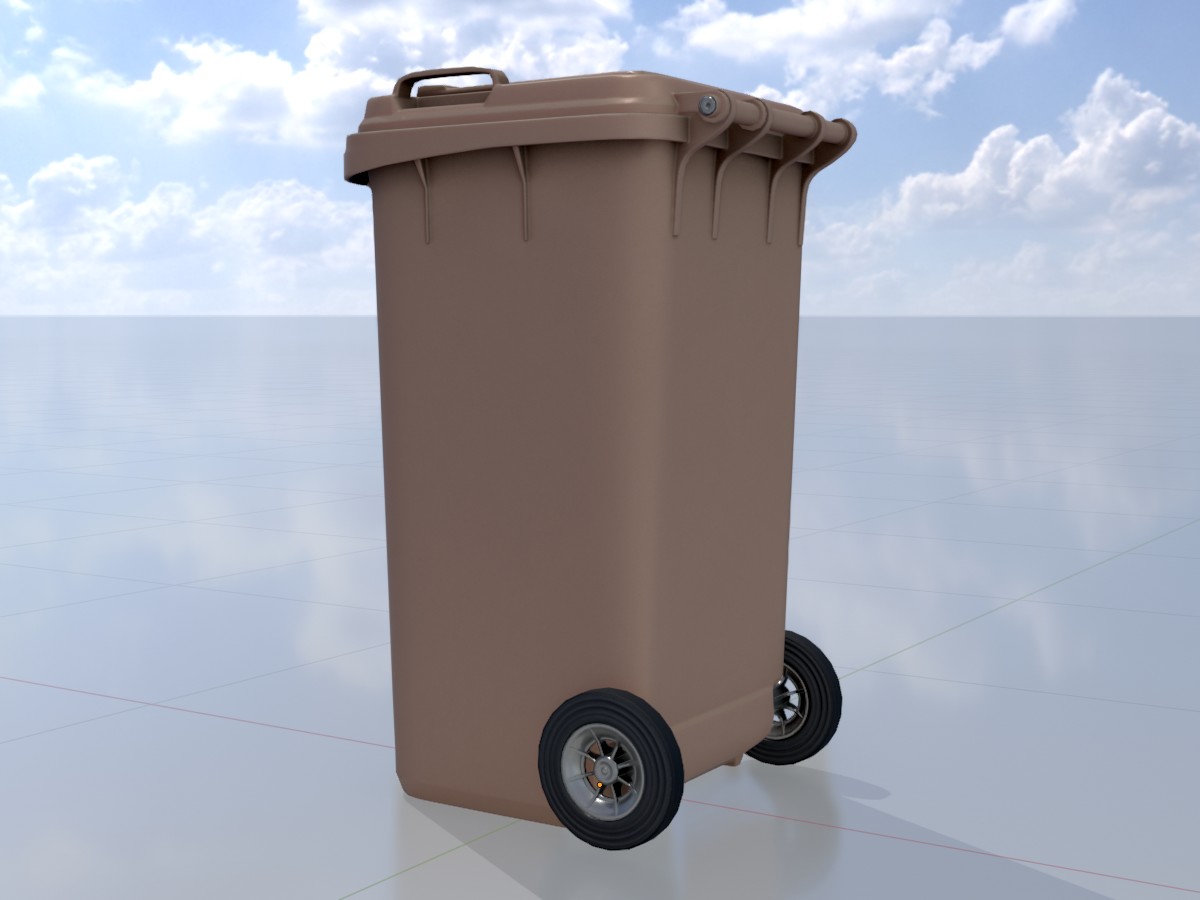
Our shop offers 3D models in the street furniture category that are specifically designed for planning and visualisation purposes. The models can be flexibly integrated into a wide range of projects and are suitable for both city models and individual visualisations.
Conclusion
Street furniture is an essential component of urban spaces and makes a significant contribution to the quality of design concepts. In 3D planning, it enables realistic, comprehensible and consistent representations of public areas. By using our high-quality 3D models in a targeted way, planning processes can be made more efficient and designs can be communicated more convincingly.